
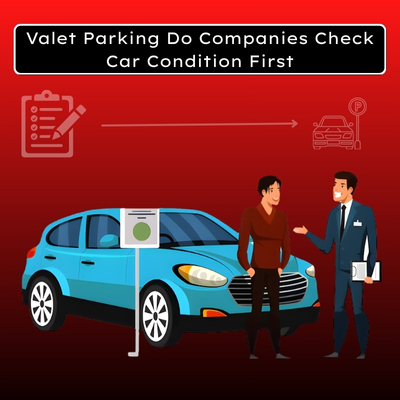
Valet Parking has become a standard service at hotels, restaurants, event halls, airports, and commercial buildings because people want speed, ease, and a hassle-free parking experience.
But there’s one crucial step many customers overlook: the condition check done before the car is taken away. This step isn’t just routine it directly impacts responsibility, safety, and how disputes are handled.
A simple scratch, a dent, or a missing item can turn into an argument if no record exists. That’s why professional valet companies follow a structured intake process to document the vehicle’s condition before parking it.
This record protects both the customer and the company, reduces false claims, and ensures transparency.
Whether the documentation is done through a quick visual scan, a written checklist, or a modern photo-based system, the goal remains the same: create a clear baseline of the car’s condition at drop-off.
Understanding how and why these checks work helps you know what to expect and how to protect yourself.
Valet Parking Do Companies Check Car Condition First
In this guide we will explain everything you need to know about how valet companies check your car’s condition before parking it.
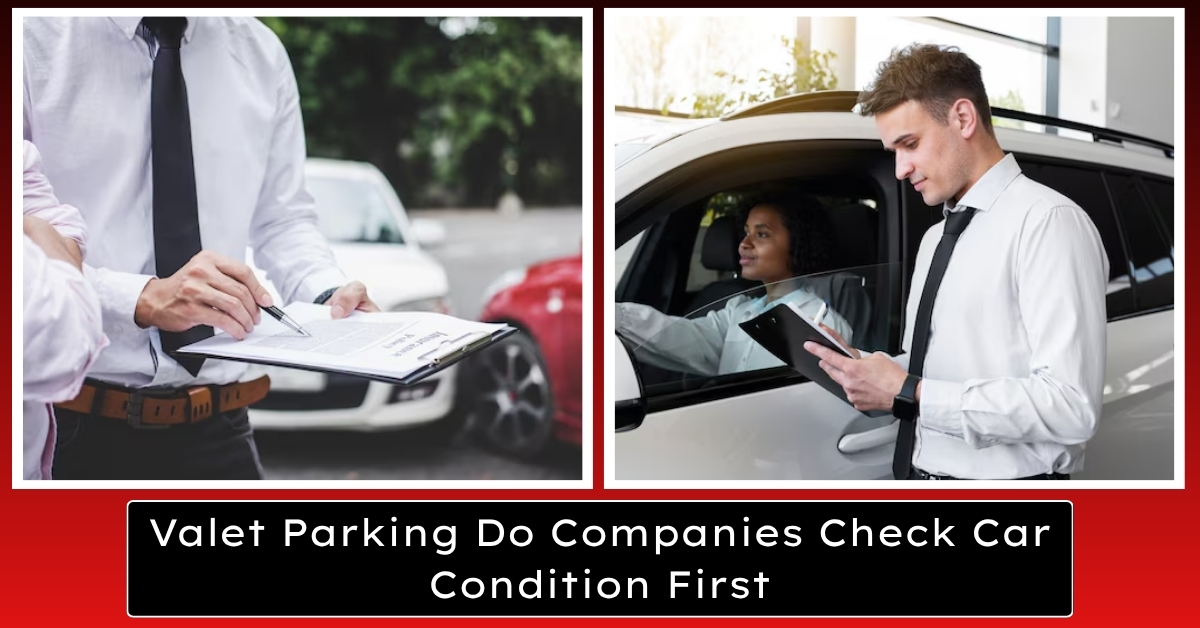
Why Recording a Car’s Condition Matters
Recording a car’s condition before parking is a standard risk-management step in Dubai’s valet operations. The goal is simple: create a clear baseline of the vehicle’s physical state.
Without this baseline, disputes become harder to resolve, responsibility becomes unclear, and both customers and operators face unnecessary friction.
Dubai has high traffic density, luxury vehicles, and busy commercial zones, which makes documentation even more important.
A car can arrive with minor scratches, worn tires, or interior wear, and those issues must be separated from anything that might happen while the vehicle is under valet control.
When operators note the car’s condition clearly, they protect customers from unfair outcomes and protect themselves from claims related to pre-existing damage.
Companies such as Xpress Valet Parking Service follow structured intake checks because the city’s parking demand and customer expectations require precise processes.
Proper recording ensures transparency, reduces arguments, speeds up complaint handling, and keeps the service flow stable across peak hours.
How Valet Companies Typically Check Car Condition
Valet companies in Dubai follow one of three common inspection methods based on location, customer volume, and internal policy. The first is the quick visual scan, where attendants check for visible dents, scrapes, broken lights, and major defects.
This method is common at malls or event venues with heavy foot traffic. The second method uses a written or digital checklist where attendants document the condition in more detail, including minor damage, interior state, and fuel levels.
This is prevalent in hotels and hospitality locations where customers expect structured documentation. The third and most reliable method involves photo or video intake, capturing multiple angles of the vehicle before it enters the parking area.
Companies such as Xpress Valet Parking Service use this approach to reduce disputes and maintain records for internal audits.
Regardless of the method, the goal stays consistent: ensure the car’s condition is known before any movement. In Dubai’s high-value vehicle market, structured checks prevent Financial disagreements and ensure operations remain smooth.
What Valet Companies Record
Valet operators create a simple but complete record at the time of drop-off. The record normally includes the vehicle’s exterior condition, interior condition, mileage, fuel level, and key information such as the number of keys received.
Exterior details include scratches, dents, cracked glass, damaged sensors, or loose panels. Interior checks note torn upholstery, stained seats, broken buttons, or items left inside.
Recording mileage and fuel levels helps prevent concerns about unauthorized driving, especially in long-term parking scenarios. Key information includes electronic key type, additional fobs, and any accessories the customer hands over.
Operators also add the date, time, attendant ID, and location of the service point. These records create a transparent handover from the customer to the service provider.
Companies in Dubai rely on such documentation because the city hosts a high mix of tourist vehicles, rental cars, and personal vehicles. A structured record protects both sides when questions arise later.
Technology Used for Condition Recording
Modern valet operations rely heavily on technology to increase accuracy and reduce paperwork. Photo-based documentation is common, where attendants use mobile devices to capture the condition of the car at check-in.
This method ensures the images are time-stamped and linked to the ticket ID. Some services use digital forms, allowing customers to receive their intake documentation via SMS or email.
QR ticketing is becoming more common at malls and hotels in Dubai because it speeds up communication. CCTV coverage in valet zones provides additional verification if questions about the car’s handling arise.
Larger operators sometimes use cloud-based systems where images and checklists are stored for internal reference.
Companies such as Xpress Valet Parking Service use digital intake tools to streamline the documentation process and reduce manual errors.
Technology also helps maintain consistency, especially when dealing with large fleets or peak tourist seasons. The more accurate the technology, the easier it becomes to manage customer expectations.
Legal and Insurance Implications
In Dubai, once a valet operator accepts keys from the customer, they temporarily take responsibility for the vehicle under “care, custody, and control.” This means the operator must handle the car with reasonable care and is expected to return it in the same condition.
Proper documentation is important because it determines whether the damage occurred before or after the vehicle entered valet custody.
Insurance policies covering valet operations require record-keeping to process claims, and lack of documentation may delay or complicate settlements. Some service providers display limitations of liability at the desk, for example regarding personal belongings left in the car.
These limitations are enforceable only when communicated clearly.
Customers should always read posted notices and verify procedures. Operators who follow structured documentation practices reduce exposure to legal disputes and ensure compliance with local requirements.
Common Disputes and How They’re Resolved
The most common disputes involve new scratches, dents, and claims related to small exterior marks. Customers may report these issues at pickup, and operators compare the findings with intake records.
When photos or checklists exist, resolution becomes straightforward. Disputes also occur regarding missing items left inside the car.
Most valet services do not take responsibility for valuables unless they are declared at drop-off.
Another type of dispute concerns mechanical issues such as battery failure or warning lights. These issues are resolved by checking the intake documentation and vehicle condition before parking.
In Dubai, valet companies try to resolve disputes on-site to prevent escalation. Clear communication, comparison of records, and the presence of CCTV footage help settle most cases quickly.
When disputes remain unresolved, customers may escalate through management or seek compensation through the operator’s insurance channel.
Practical Tips for Customers
Customers using valet services in Dubai can follow simple steps to avoid problems. First, take a quick walk around the car with the attendant and point out any existing damage.
This ensures both parties start on the same page. Second, remove valuable items from the car or place them in the trunk. Third, check the fuel level and mileage if you expect the car to be parked for more than a few hours.
Fourth, ensure you receive a ticket or digital confirmation showing your vehicle details. Fifth, inspect the car at pickup before leaving the area.
Reporting issues immediately makes resolution easier and faster. These steps take only a minute and prevent confusion later. Dubai’s valet system runs smoothly when customers cooperate with the intake process and communicate clearly with the staff.
Best Practices for Valet Operators
Valet operators maintain service reliability by using consistent procedures. They should implement structured intake checklists that attendants must follow for every vehicle.
Training programs should include proper documentation, key management, customer communication, and safe vehicle handling. Operators should keep keys in organized, secure storage to avoid loss or mix-ups.
Using digital tools reduces human error and helps maintain consistent records. Operators such as Xpress Valet Parking Service follow these methods because high-volume locations require streamlined processes.
Parking areas must be clearly marked, CCTV must cover key spots, and attendants should follow parking routes safely. Clear communication with customers at drop-off and pickup builds trust and avoids misunderstandings.
The operator must also maintain insurance coverage suitable for high-value vehicles and large traffic volumes.
Sample Pre-Parking Checklist
A simple checklist used by valet operators in Dubai usually includes:
- Date and time of drop-off.
- Attendant name or ID.
- Vehicle make, model, color, and plate number.
- Exterior condition notes such as scratches, dents, or cracked lights.
- Interior notes such as damaged upholstery, stains, or items left inside.
- Mileage and fuel level.
- Number of keys received.
- Confirmation that photos were taken.
- Customer acknowledgment.
This checklist creates a clear reference that can be used later if questions arise. It also helps attendants maintain consistency across hundreds of daily entries.
Common Myths and Straight Answers
A common myth is that valet services do not inspect the car at all. In reality, most professional operators follow structured checks, especially in Dubai. Another myth is that signing a valet ticket means the customer loses all rights.
The ticket simply documents the car’s condition and the exchange of custody. Some customers believe valets use their vehicles for personal errands.
Intake mileage and parking location policies prevent this. Another myth is that valet parking is responsible for all issues found at pickup. The documentation determines responsibility, not assumptions.
Operators such as Xpress Valet Parking Service follow standardized procedures that protect both parties, preventing the misunderstandings that lead to these myths.
What to Do If You Find Damage
If you notice damage at pickup, the first step is to stay in the valet area. Take clear photos and show the attendant immediately. Ask to review the intake documentation or photos taken at drop-off.
If the damage was not recorded earlier, the operator will review CCTV or follow internal procedures to determine responsibility. Request an incident report and communicate calmly with the supervisor.
Provide your contact information for follow-up. Do not leave the area without making the report because delaying the claim weakens your position. In Dubai’s fast-moving valet environments, timely reporting ensures faster resolution.
When Operators Don’t Check — Liability Risks
If an operator does not properly record a vehicle’s condition, multiple risks arise. The operator may face increased claims for pre-existing damage because they lack proof to defend themselves.
Customers may lose trust and choose more structured services. Insurance claims may be rejected or delayed due to insufficient documentation.
Misunderstandings increase, and disputes take longer to resolve. In Dubai, where many vehicles are high-value, skipping intake checks increases exposure and operational stress.
This is why reputable providers, including services like Xpress Valet Parking Service, avoid incomplete or inconsistency in documentation and maintain strict standards to protect both their business and customers.
Conclusion
Valet parking in Dubai operates in a fast, high-demand environment where accuracy and accountability matter. Recording a car’s condition before parking is not an optional step it is a practical system that protects both the customer and the valet operator.
Clear documentation, whether through checklists, photos, or digital tools, removes guesswork and reduces conflict. It also ensures every vehicle is handled responsibly while giving customers confidence that their property is in safe hands.
When disputes occur, intake records become the foundation for fair decision-making. Customers can further strengthen the process by checking their car at drop-off and pickup, keeping valuables secured, and communicating clearly with attendants.
For operators, consistent training, key control, organized parking flow, and reliable documentation prevent most issues before they start.
Dubai’s mix of luxury cars, rental fleets, and daily drivers makes structured procedures essential for maintaining smooth service.
A well-managed valet system is built on transparency, simple checks, and predictable protocols. When both sides understand the process, the entire experience becomes easier, faster, and more trustworthy for everyone.
Related posts

Leave a Comment