
Valet Parking is convenient, quick, and used everywhere from malls and hotels to airports and busy event venues. But whenever you hand your keys to someone else, you take on a risk.
Cars get scratched. Mirrors get hit. Keys go missing. In rare cases, entire vehicles disappear because of confusion, negligence, or poor handling. Most people only realize how unprepared they are when the damage has already happened.
They don’t know the rules, they don’t know their rights, and they don’t know how the claim process actually works behind the scenes.
This lack of clarity is exactly why customers often end up paying for repairs they shouldn’t be responsible for.
The truth is simple: if you understand how liability works, what evidence you need, and how to file a claim correctly, you can protect yourself from unnecessary losses.
A strong approach and correct documentation can turn a stressful situation into a straightforward process.
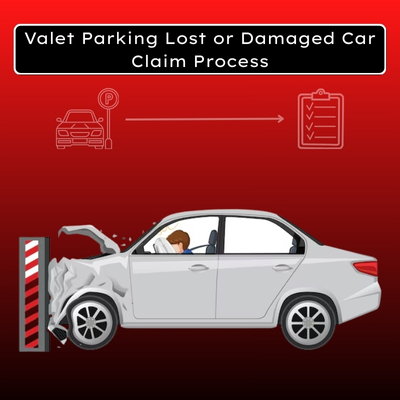
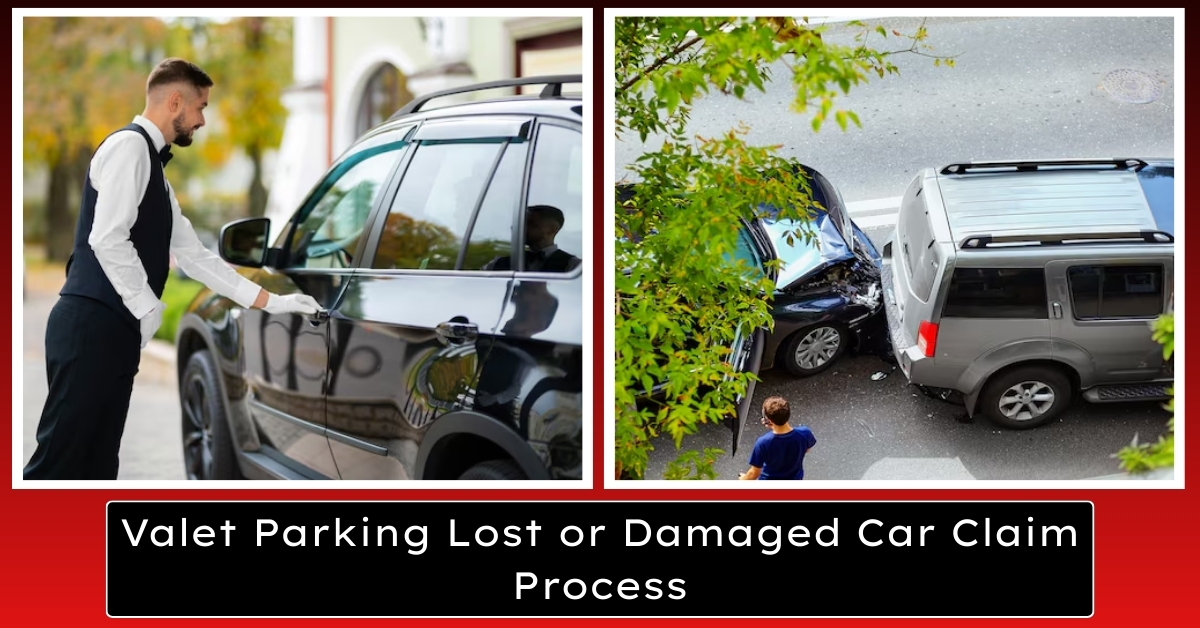
Valet Parking Lost or Damaged Car Claim Process
In this guide, we will explain the full process of handling lost or damaged car claims in Valet Parking from start to finish.
Why Valet Parking Claims Matter
Valet parking in Dubai moves thousands of cars every single day across hotels, malls, towers, beaches, and event venues. With this volume, incidents are not rare, and customers often face scratches, dents, broken mirrors, or interior losses without knowing how the system works.
When a vehicle is handed over, the customer assumes the car is in safe hands, but the reality is that mistakes happen, especially in crowded and high-pressure environments.
The reason valet parking claims matter is simple: customers need clarity. Many people do not understand who is responsible, how liability is determined, or what steps they must follow to protect themselves.
A clear claim system protects both sides. It keeps valet operators accountable, and it prevents customers from paying for damages they didn’t cause.
In Dubai, where vehicle value is high and parking spaces are often tight, having a structured process is essential. Without proper knowledge, people either give up or accept partial explanations that work against them.
Claim awareness becomes even more important when dealing with fast-paced valet operations like XPRESS Valet Service, where hundreds of cars are moved in short windows.
Understanding the importance of claims empowers customers to respond correctly, demand fair handling, and avoid unnecessary repair costs.
Understanding Liability: Who Is Responsible?
Liability in valet parking is one of the most misunderstood areas. When a customer hands over their vehicle to a valet attendant, a temporary responsibility is created.
This means the valet company becomes the custodian of the vehicle until it is returned. In Dubai, this falls under basic custody rules, where the party holding the vehicle has a duty to take reasonable care.
If the car comes back damaged, the burden shifts to the valet operator to prove the damage was not caused under their control. Many customers think disclaimers printed on valet tickets are final, but most disclaimers only cover certain conditions, not everything.
They cannot remove responsibility for negligence. For example, if a valet driver hits a pillar or another car, the company cannot simply claim they are not responsible because of a printed statement.
Liability also depends on evidence, such as CCTV footage, handover inspection, and internal parking logs. If a company uses digital check-in systems, the responsibility becomes even clearer.
Operators like XPRESS Valet Service follow structured reporting workflows, which helps determine who caused the damage.
Liability becomes more complex in situations involving third-party interference, but the valet operator must still explain how the damage occurred under their supervision.
In simple terms, liability is based on who had control, what conditions existed, and whether proper care was taken during the parking process.
Full Claim Process for Lost or Damaged Cars
The claim process for lost or damaged cars in Dubai requires quick action and proper communication. The first step always begins with immediate inspection when the car is returned.
The customer must check visible areas like bumpers, mirrors, doors, and interior items before leaving the valet zone. Reporting later makes the claim weaker because it becomes harder to prove where the damage occurred.
Once damage is noticed, the customer should inform the valet supervisor on the spot and request an incident report. Dubai operations typically record vehicle numbers, time of return, and details of the damage.
The supervisor then checks the vehicle’s initial condition during handover, which may include CCTV footage or pre-entry notes. This step helps differentiate between pre-existing issues and new damage.
After verification, the valet company escalates the case internally. Companies with organized systems, such as XPRESS Valet Service, use structured workflows where the case is logged, photographs are saved, and internal drivers are questioned.
If the issue is confirmed to be under their control, the company either arranges repairs at an approved workshop or processes financial compensation. Some cases require insurance involvement, especially when the damage is serious or costly.
Communication continues through phone or email until the case is closed. This entire sequence must be handled professionally, and customers should remain calm and factual to keep the process smooth.
What If the Entire Car Is Lost?
Complete vehicle loss is rare but possible in extreme circumstances. In Dubai, full loss may occur through theft, mistaken handover, unauthorized access to keys, or internal mismanagement.
When a car goes missing, the process becomes more formal and involves authorities. The valet operator must immediately notify local security and coordinate with the customer to file a police report.
The parking area’s surveillance system is reviewed in detail to track the last recorded movement of the vehicle. GPS tracking, if available, may help, but not all vehicles have active systems.
The valet company must also submit an internal report identifying the last person who handled the keys and the exact time the vehicle was moved. This becomes part of the investigation.
Dubai authorities then proceed based on evidence, and the insurance company is notified if negligence is found. Compensation depends on market value and insurance assessment.
A disciplined operator follows every step without delay. XPRESS Valet Service, for example, applies strict key-control protocols to prevent such situations, but in the unlikely event that a vehicle is completely lost, the company would follow regulatory requirements and cooperate fully with legal and insurance processes.
The goal in a full loss case is to trace the vehicle quickly or resolve compensation fairly based on documented evidence.
How Long Does a Valet Claim Take?
Claim duration varies depending on the nature of the damage and the level of investigation required. Minor cosmetic issues in Dubai can be resolved within a few days because they do not require deep verification.
Medium-level damage, such as dents or broken parts, may take one to two weeks since workshop assessments and internal approvals are needed. Larger or more complex cases may take several weeks, especially when insurance involvement is necessary.
Full loss cases require the most time because they involve multiple parties: the valet operator, authorities, insurance assessors, and sometimes the vehicle owner’s leasing or finance company.
These cases may extend to several weeks or more before a final settlement is issued. The key factor in claim speed is documentation. The more complete the initial information, the faster the progression.
Companies with organized workflows, such as XPRESS Valet Service, generally manage claims more efficiently because they maintain clear logs, driver movements, and CCTV access.
Customers should follow up regularly and maintain polite, direct communication. Delays usually happen when evidence is missing or when verification requires third-party confirmation.
The claim timeline is not fixed, but it follows a logical chain: inspection, verification, approval, repair, or compensation.
Documentation You Must Keep
Documentation is the backbone of a successful valet claim. In Dubai, the process moves faster when the customer provides complete and clear information. Keeping the valet ticket is essential because it links the vehicle to the operator.
The customer should also take quick photos before handing over the car, capturing the condition of bumpers, doors, mirrors, and wheels. These photos provide strong proof in case of a dispute.
When damage is discovered, photographs of the fresh damage must be taken immediately in the valet zone. The incident report filled by the supervisor must be retained since it confirms the time, date, and nature of the issue.
If the valet operator shares any internal notes, emails, or acknowledgment messages, these should also be saved. Repair estimates provided later by workshops or insurance companies should remain part of the file.
Customers who organize these documents properly avoid delays and reduce arguments about responsibility. Without documentation, the case becomes weak, and operators cannot process it properly.
The combination of a ticket, before-handover photos, after-damage photos, and the incident report forms a complete evidence chain that supports a clear and fair claim outcome.
Common Tricks Valet Companies Use—and How to Counter Them
Some valet operators may attempt to minimize their responsibility, especially when the damage seems minor or unclear. One common tactic is claiming that the damage was pre-existing.
This happens when no handover photos exist. Taking a few photos before handing over eliminates this argument immediately. Another tactic is insisting that the customer left the premises, which voids the claim.
The solution is simple: inspect the car on the spot before driving away. Another approach is blaming third-party interference, such as another vehicle in the parking area.
This does not remove responsibility because the valet operator must secure the area under their control. Some companies also delay the process, hoping the customer gives up.
Consistent follow-up with written communication prevents this. A few operators mention disclaimers printed on their ticket, but disclaimers cannot override negligence.
In Dubai, companies must follow general duty-of-care rules regardless of printed statements. Staying factual, calm, and firm is the best strategy.
Presenting photos, timestamps, and the incident report keeps the discussion focused and prevents evasive responses from gaining traction. When the customer knows their rights, these tricks lose power instantly.
How to Avoid Valet Parking Damage in the First Place
Preventing damage starts with simple habits that do not take extra time. Before handing over the keys, customers should remove personal valuables to avoid confusion later.
A quick walk-around inspection with photos helps establish the vehicle’s exact condition. Using valet parking at calmer hours reduces the chance of rush-related mistakes.
Parking areas in Dubai can be extremely busy during weekends and holidays, so timing matters. Customers should also observe how organized the valet operation is.
If it looks chaotic, it may be better to avoid it. Some vehicles come with built-in valet modes that limit speed and protect trunk or glove-box access, and enabling these features adds another layer of safety.
Communicating clearly with the valet driver, especially about low bumpers or sensitive parts of the vehicle, helps avoid misunderstandings. All these steps together reduce risks significantly and keep the parking experience smooth.
Valet Parking Claim Scenarios and Realistic Outcomes
Valet claims in Dubai follow predictable patterns. When the damage is small and clearly caused within the parking facility, the outcome is usually straightforward, and the valet operator accepts responsibility.
Medium-level damage may require internal review but is still manageable with proper documentation. More complex issues, such as interior losses or unclear damage timing, require deeper investigation and stronger evidence from the customer.
Full loss cases trigger official procedures involving authorities, and the outcome depends heavily on traceability and insurance reviews. Realistic expectations are important in all scenarios.
Customers must understand that claims take time, especially when multiple departments are involved.
The key is staying consistent, supplying clear information, and allowing the process to move through each stage without unnecessary emotion. When handled properly, most claims conclude with a fair result.
Legal Rights of Customers
Customers using valet services in Dubai have basic rights based on general service and custody principles. When a valet operator takes control of a vehicle, they must handle it with reasonable care.
If the car returns damaged and negligence is suspected, the customer has the right to request an internal review, CCTV summary, and an incident report.
The customer may also demand a written explanation if the claim is rejected. In situations involving major damage or full loss, the customer has the right to file a police complaint and inform their insurance provider.
Valet companies cannot deny responsibility without evidence, and printed disclaimers do not override negligence. Authorities generally support fair investigation and transparency.
Knowing these rights gives customers confidence and prevents unfair treatment during discussions.
When Should You Escalate the Case?
Escalation becomes necessary when communication stops or when explanations are inconsistent. If the valet supervisor refuses to file an incident report, the customer should immediately request to speak with higher management on site.
If the operator delays responses for an unreasonable period or avoids providing clarity on the investigation, escalation is justified.
Customers may also escalate when the damage clearly occurred inside the facility, but the company continues denying responsibility without presenting evidence.
For major cases, especially involving theft or severe damage, escalation to authorities becomes mandatory. Calm escalation backed by proper documentation always leads to better results.
The goal is to move the case forward and ensure accountability. When the customer stays firm and factual, escalations remain smooth and effective.
Conclusion
Valet parking in Dubai offers convenience, but it also comes with real responsibilities for both the customer and the operator.
When a vehicle is damaged or goes missing, the situation becomes stressful only because most people do not understand how the claim process works or what steps they must follow to protect their side.
The reality is that a clear, structured approach removes confusion. Immediate inspection, proper documentation, direct communication, and timely reporting ensure that the case moves forward without unnecessary complications.
Valet companies are expected to follow duty-of-care standards, and customers have the right to demand transparency, evidence, and fair handling.
When both sides follow procedure, claims get resolved efficiently and without long disputes. Understanding liability, knowing how investigations are conducted, and keeping all records organized give customers full control over the outcome.
In the end, the safest strategy is simple: stay alert, stay factual, and follow the process from the moment you hand over the keys until the case is fully closed.
Related posts
RECENT POSTS
- Valet Parking Lost or Damaged Car Claim Process November 22, 2025
- Valet Parking Do Companies Check Car Condition First November 20, 2025
- Valet Parking Are Drivers Insured and Professionally Trained November 18, 2025
CATEGORIES
- Valet Parking (7)
ABOUT
Pellentesque sed risus feugiat lectus ornare pharetra nec id nisl. Sed dictum nunc a elit gravida consequat. In non accumsan nibh. Mauris at libero id magna viverra rutrum vel et felis. Suspendisse blandit tellus sed metus suscipit molestie.

Leave a Comment